
I have said the word “Siri” out loud to my phone more times than I have said the names of most people I know — either to trigger it or to scream at it with rage. The name worked. It was short, slightly unusual, and came from somewhere real. In an account attributed to co-creator Dag Kittlaus, he said he had wanted to use the name for a child and associated it with “beautiful victory” in Old Norse. Steve Jobs did not love it at first, but Apple kept the name after acquiring the company and launched Siri with the iPhone 4S in 2011.
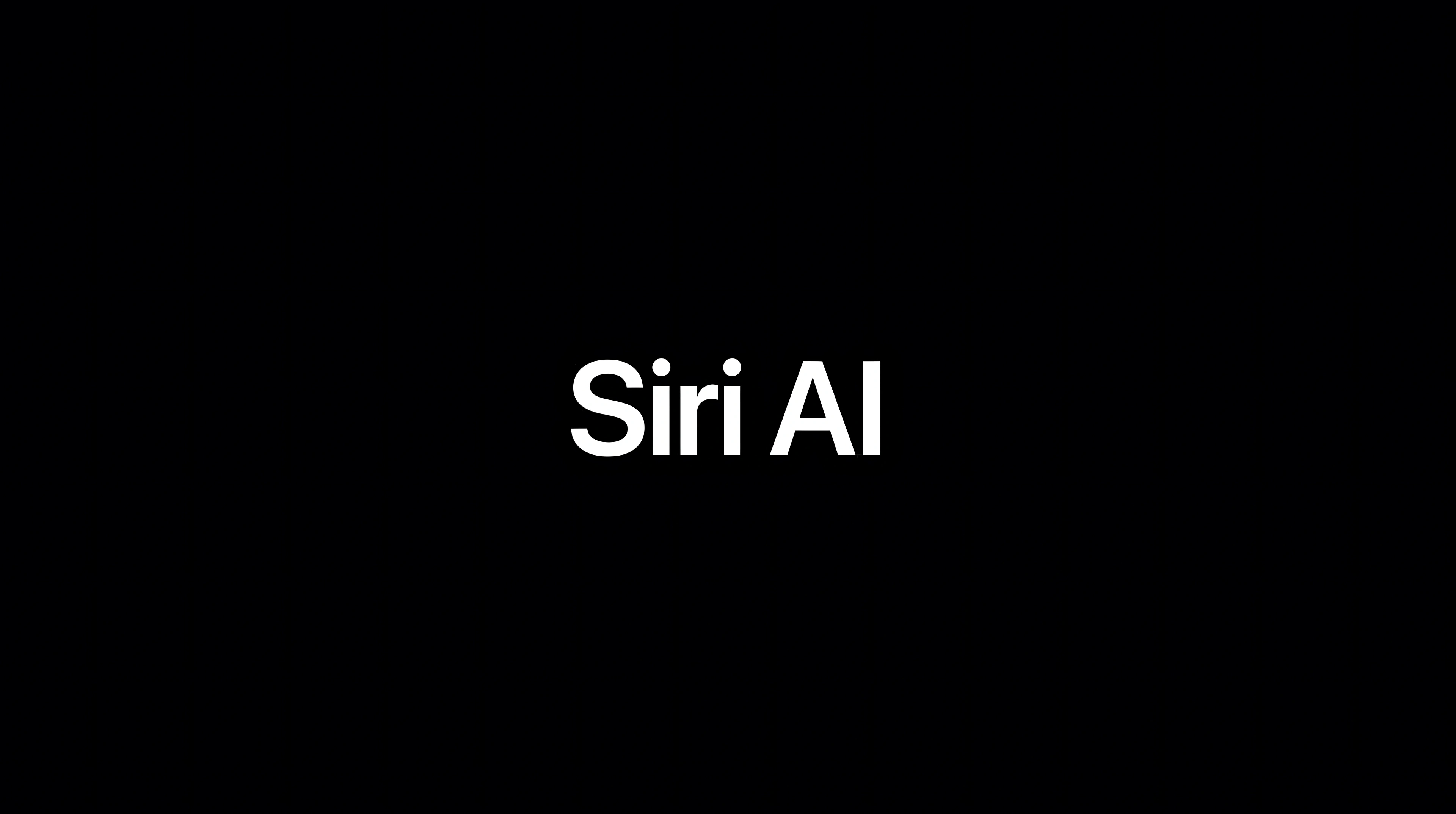
Fourteen years later, Apple’s answer to that name is Siri AI.
Siri AI is Apple’s name for the rebuilt assistant introduced at WWDC 2026 and powered by the next generation of Apple Intelligence. My objection is not to the product. It is to a name that borrows the generic language Apple spent years arguing should disappear into the experience.
I have been sitting with that name for almost 24 hours now, and I still can’t make it work. Not because the product seems bad, the demos look genuinely capable, and we’ll see how the beta lands (once the waitlist moves along), but because the name represents a kind of capitulation Apple has spent at least three years positioning itself against. Greg Joswiak, Apple’s senior vice president of worldwide marketing, sat on stage at a WSJ event in 2022 and was asked to complete the sentence “the metaverse is…” He replied, without hesitation: “a word I’ll never use.” Joswiak and Ternus have given interviews, as recently as earlier this year, arguing that users shouldn’t have to care whether a feature is AI-powered or not, that the technology should just work and disappear into the background. The label shouldn’t matter.
And then they named their biggest software announcement in years, Siri AI.
The obvious defense is that “AI” here stands for Apple Intelligence, not artificial intelligence. That distinction may matter to product and marketing managers internally, but it almost certainly doesn’t matter anywhere else. When millions of users trigger the new Siri in the fall to help them plan dinner, they are not thinking about Apple’s proprietary intelligence framework. They are seeing the same two letters that are now slapped onto products throughout the industry. The letters that Apple spent years pointingly not using. The letters that, in Joswiak’s own taxonomy, represent exactly the kind of industry buzzword Apple builds its brand by refusing to adopt.

There is a second layer of irony here, and it runs deeper. In October 2024, Craig Federighi explained Apple’s approach to a smarter Siri in unusually direct terms. “We looked at this as not how do we build another chatbot bolted on the side of our existing experience,” he said, “but how do we create something that’s deeply integrated.” At WWDC 2025, he doubled down, telling Tom’s Guide: “Apple didn’t want to send users off into some chat experience in order to get things done. We were very clear this wasn’t about us building a chatbot.”
Siri AI has a dedicated conversational app. At a press Q&A the morning after WWDC 2026, someone pointed this out to Federighi. His response was admirably matter-of-fact. “The most natural affordance for any user to go find something like that is to have an app that they can manage on their home screen, launch, and get back to,” he said. “And so we have a Siri app.”
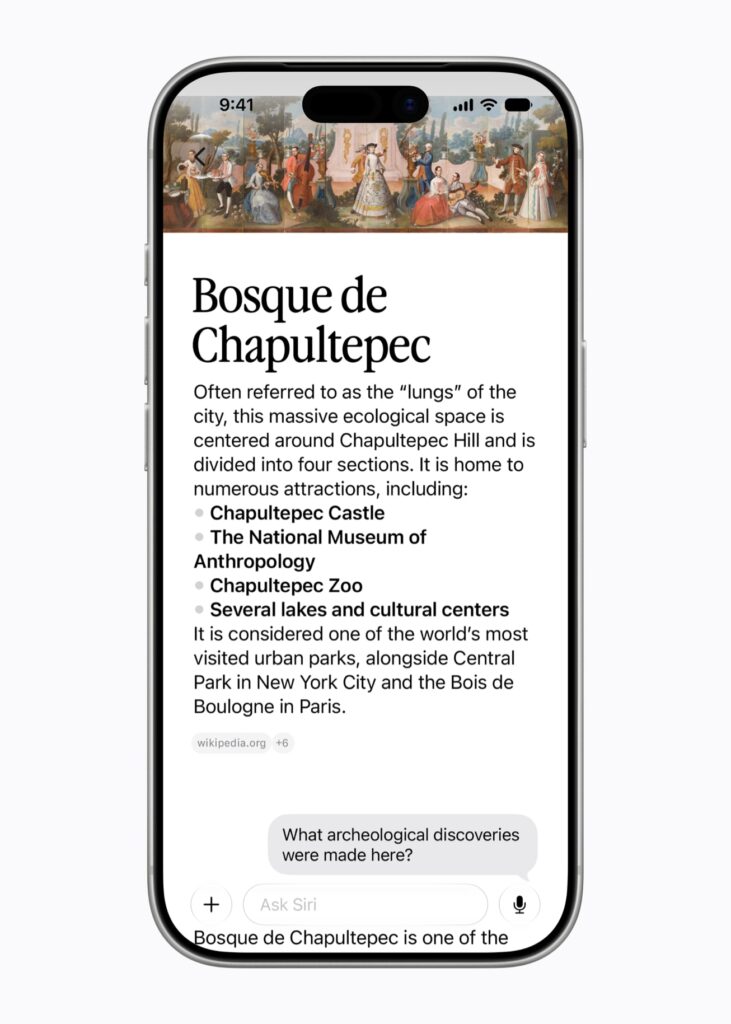
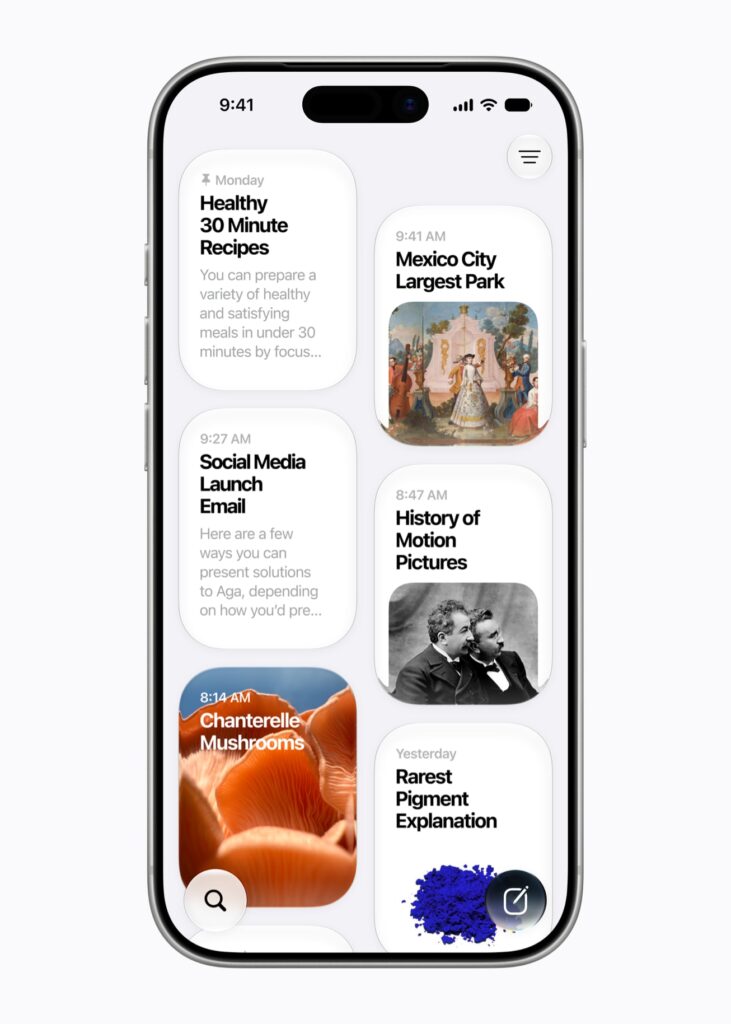
Which is true. And it is also exactly what he said they weren’t building.
To be fair to Federighi, the position evolved rather than collapsed. He was careful to maintain that Siri is “not a separate chatbot, [but] an unintegrated place you go and chitchat, but rather an integral conversational tool.” The distinction Apple is drawing is that Siri AI is woven into the OS in ways that ChatGPT isn’t. It can see your screen, reach into your emails, act across your apps. The dedicated app is a home for conversation history, not a standalone product. Apple believes those things make it categorically different from what it argued against.
There is an institutional logic to what happened with the name, and it’s worth naming. Apple faced a problem. Siri’s reputation was genuinely damaged. Two years of announced features that arrived late, shipped as betas, or didn’t ship at all had done real harm to how people thought about the word. Apple couldn’t simply call this new product Siri without implying continuity with something users had learned to distrust. A full rebrand would mean retiring a name it spent fifteen years making synonymous with itself. “Siri” still carries recognition that most technology brands would pay almost anything to have. So they kept it, and added the suffix.
That suffix did two things at once. It created enough distance to signal that this is genuinely new. And it borrowed the ambient authority that “AI” carries in 2026: the same authority Apple has historically been too proud to borrow.
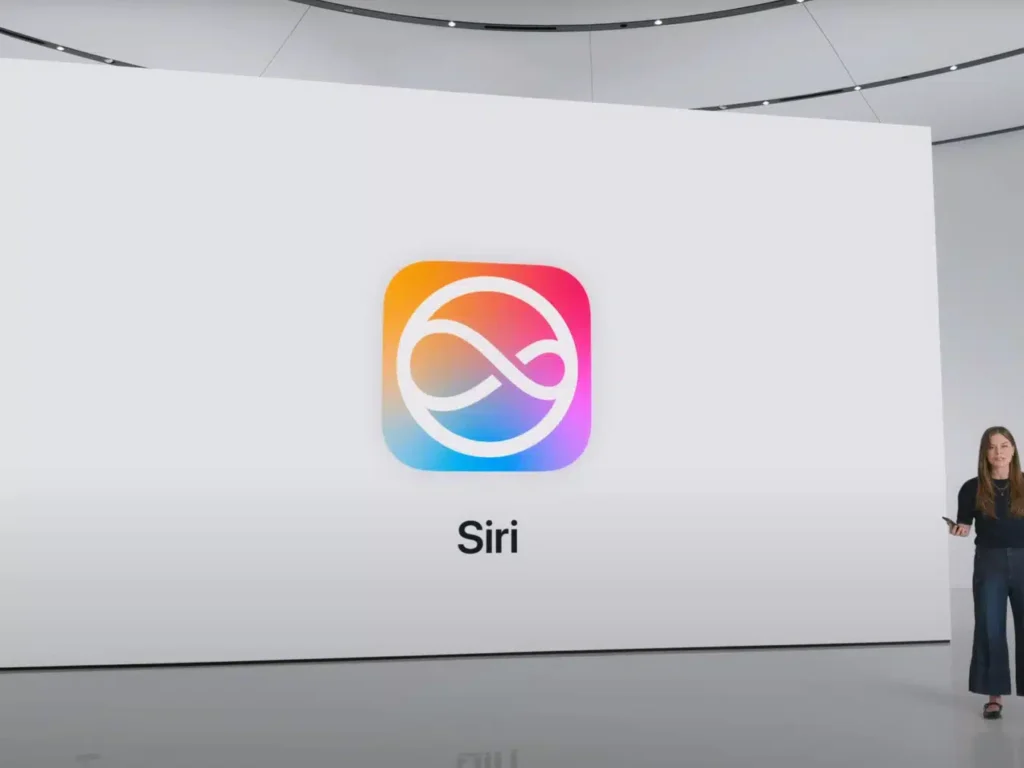
The keynote tried to paper over this with animation. There’s a moment when Siri and Apple Intelligence visually merge, implying that the “AI” in Siri AI is literally Apple Intelligence. It’s a clever piece of graphic design. It is also the kind of explanation you shouldn’t need to make for a name that works on its own terms. iPhone didn’t require a diagram explaining what “i” meant. When a name needs a visual footnote, the name hasn’t done its job.
What Apple was protecting here is the brand equity of “Siri” as a sound, not a product. The question is whether appending “AI” preserves that equity or dilutes it. Apple bet on preservation. I think they got dilution. Joswiak’s line about “metaverse” was sharp in 2022 partly because it was accurate. The word was doing the work of a vision that didn’t yet have substance behind it. “Metaverse” meant: we are important, and this is a big deal, trust us. Apple watched companies lean on that word and even rebrand entirely based on it. What they perhaps didn’t anticipate is that “AI” would eventually stop being bluster and become infrastructure.
Maybe that’s the actual story. Apple spent years refusing to say “AI,” then spent two years struggling to ship it, and now needs the word to signal that what they’re finally releasing is the real thing. The name is doing reputation repair, not brand work. That’s a different use of language.
Siri. Beautiful victory. That’s what the name meant, once.
The new one means: this time we mean it.