
Update — August 8, 2026: Apple has since held WWDC26 and introduced Siri AI for developer testing, with a user beta planned for later in 2026. This essay remains the pre-keynote argument I published on June 2; its future-tense language reflects what was known then.
WWDC is six days away, and the expectation, as it has been for two years running, is that Apple will finally deliver on Siri. The features announced at WWDC 2024. Delayed. The features expected in spring 2025. Delayed again. The features expected in early 2026. Delayed once more. At some point, the delay becomes the story, and we are well past that point.
What I want from June 8th is simple. I want Apple to be boring.
Not boring as in nothing happens. Not boring as in Tim Cook walks out and announces a new ringtone. I mean boring in the specific sense that matters: I want Apple to announce things it has already built. I want the gap between the stage and the product to be small. I want the features demonstrated on Monday to exist on my phone in September. That used to be the baseline. For a while, it was not something you had to ask for.
Apple announced a new Siri at WWDC 2024 with a demo that showed the assistant navigating between apps, pulling context from your calendar and your messages, acting less like a search button and more like someone who actually knew you. The features were called Personal Context and App Intents. Apple pitched them as selling points. They were on the stage. They were in the ads. They were in the ads that ran for several months after the iPhone 16 launched. And then they were not in the phone.
Robby Walker, Apple’s senior director overseeing Siri, reportedly told his team the delays were ugly and embarrassing, and that the decision to promote the technology before it was ready made things worse. That is the kind of candor you rarely hear attributed to anyone at Apple. It is also the kind of thing that gets said when an institution has, at some level, recognized that something went wrong at a structural level, not just an engineering one.
The structural thing that went wrong is this: Apple stepped outside its own discipline.
Apple’s institutional discipline is one of its most underappreciated competitive advantages. It is not just about secrecy. It is about the internal standard for when something is ready to be spoken of publicly. That standard used to be very high. Steve Jobs was famous for it. Tim Cook maintained it for most of his tenure. You announce when the thing is real, when it ships, when you can put it in someone’s hand, wrist, or on their head. The discipline protects the company from the embarrassment of delay, yes, but more importantly, it protects the integrity of the stage. When Apple shows something, you are supposed to be able to trust that it exists.
John Gruber put it plainly in 2025: “You can’t break a promise you never made, and you can’t miss a ship date you never announced.” That is Apple’s founding logic on product communication. And Apple departed from it under pressure from an industry in the middle of a generative AI moment that rewarded announcement over execution.
The pressure was real. It would be dishonest to pretend otherwise. OpenAI was moving. Google was moving. The narrative forming around Apple in 2024 was that it had missed the AI transition, that the company most associated with refined software was somehow being lapped on software by competitors who had not spent thirty years building the most used operating systems on earth. The pressure to show something, to claim a position, to signal that Apple was in the race, overrode the usual discipline. What followed was two years of a gap between what was shown and what shipped.
The Gemini collaboration complicates the ask in an interesting way. Apple and Google confirmed a multi-year relationship in January 2026: the next Apple Foundation Models would be based on Gemini models and Google cloud technology. Apple later said those models run on device and within Private Cloud Compute, including an AFM 3 Cloud Pro deployment on NVIDIA GPUs in Google Cloud under PCC’s privacy guarantees. This is not a request sent to the public Gemini assistant, but it is also not accurate to describe all computation as avoiding Google infrastructure. The collaboration bends Apple’s vertical-integration story without erasing Apple’s control of the product and privacy architecture.
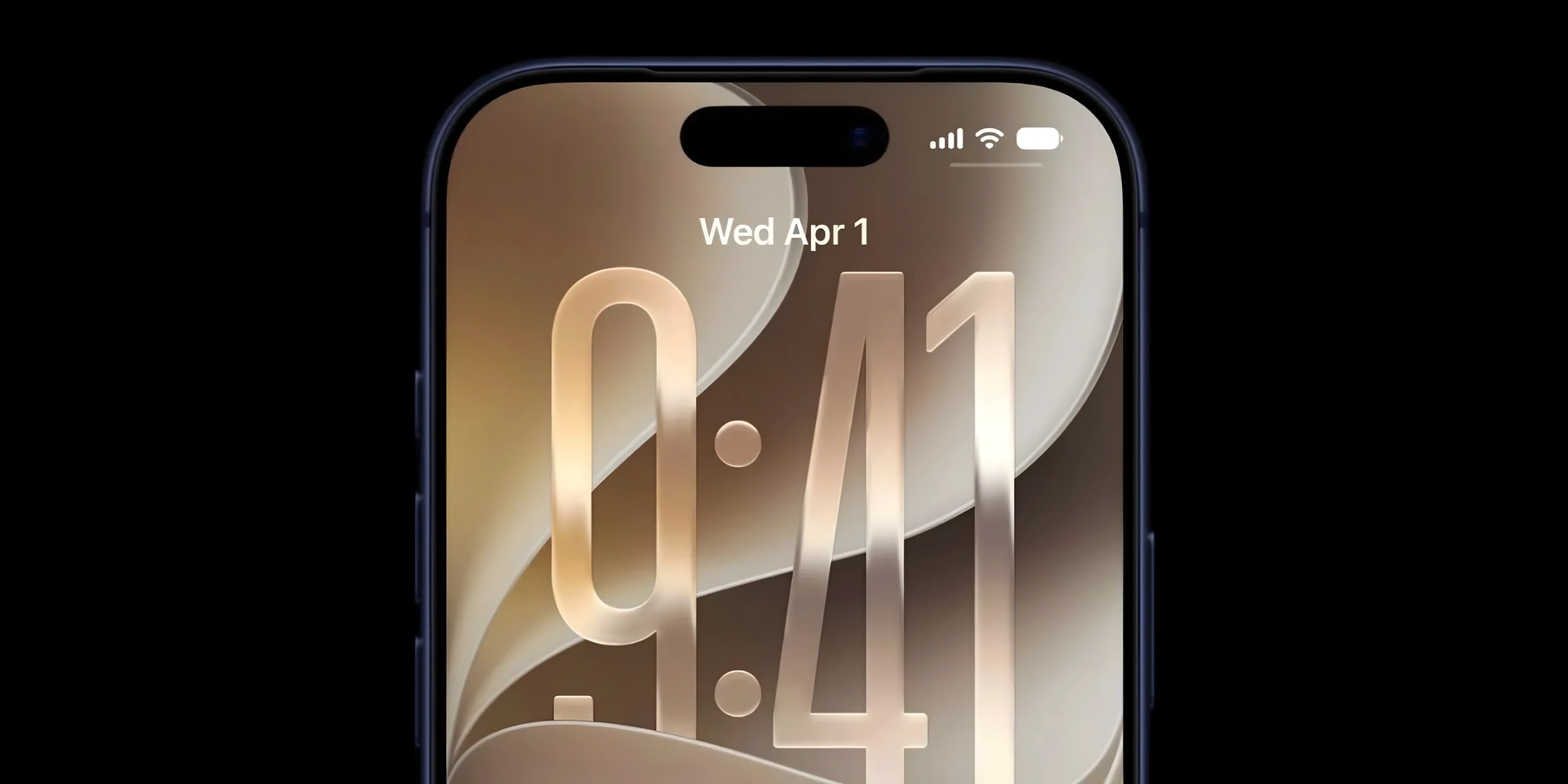
What the deal actually does is raise the ceiling on what Apple can credibly show Monday. There is reportedly a standalone Siri app and a new interface within the Dynamic Island on the horizon, per renderings published by Bloomberg. If that all ships in September, Apple will have delivered more than it originally promised at WWDC 2024. That would be worth something. But the version of Apple I trust is not the one that promises more. It is the one that promises exactly what it has already built, then puts it in your hand.
The gap also carried legal cost. Apple agreed to a proposed $250 million class settlement over claims tied to delayed Siri features, without admitting wrongdoing. On July 17, 2026, the federal court granted preliminary approval; final approval remains pending. The deeper cost is attention. When Apple announces a feature and it does not arrive, some people stop expecting the next promise. That slow erosion of credibility is harder to rebuild than to preserve.
So what I want from WWDC 2026 is a keynote where the features that appear on Craig Federighi’s slides are the same features that appear in the iOS 27 release notes in September, or, even better, in iOS 27 developer beta 1 released after the keynote. I want a Siri that is genuinely better in the ways Apple says it is. Not a demo. Not a preview of what is coming later. Not a “with more on the way.” The actual thing, working, on the device.
The headline going into this conference is Siri, and whether Apple can finally deliver what it promised two years ago. That framing is correct, but it also reflects how much expectation has accumulated and, correspondingly, how much room there is for the company to disappoint again. Apple walking onto that stage on Monday with a real Siri, a working Siri, a Siri that does the things it said it would do, would not be greeted as spectacular. It would be greeted as relief.
Relief is boring. I will take boring over announced features that never ship any day of the week.
The years in Apple coverage where nothing dramatic happened were often the years Apple was building most seriously. The years when the stage was full of sweeping promises were sometimes the years the product lagged furthest behind them. The boring keynote, the one where every feature shipped, where the demos reflected reality, where the gap was close to zero, was the keynote that built trust without announcing it.
That is what I am asking for. Not a revolution. Not a comeback narrative. Not a moment that generates clips and takes. A keynote that is just true.