
Historical note — reviewed August 8, 2026: This essay was published on November 8, 2022. Apple still describes the Apple Beta Software Program and Apple Developer Program as different programs that may receive different beta software. On iOS 16.4 and later, developer betas are selected in Settings → General → Software Update → Beta Updates using the associated Apple Account, rather than through the profile workflow described below. Feedback Assistant remains Apple’s submission channel. The original critique is preserved as a 2022 argument, not as current installation guidance.
The work Apple’s engineers do across iOS, macOS, watchOS, iPadOS, and yes, even the tvOS crew down in the dust and cobwebs, is wearisome and worthy of praise. But that does not make the updates — or the work behind them — completely immune from criticism.
I remind myself, however, that we, as customers, view Apple as something — a creature, if you will. But a corporation is a group of humans. When we’re griping about something, we’re attacking someone’s work, something that they were proud enough to distribute to billions of individuals. That sense of connection and compassion does have a point, though — the point where mistakes start to trickle into everyone else.
I’m a genuine admirer of Craig and his entire team, and of much of the work the OS division has done in recent years. They’ve pushed the industry forward in exciting and privacy-focused ways through meaningful changes like App Tracking Transparency, Apple’s firm stance on privacy, and genuinely innovative features like Universal Control. (macOS Ventura, to my surprise, actually made Universal Control better.)
But if you compare Apple’s OS business over the last three years, you see a disturbing trend — less quality for the sake of getting it done, features rushed out the door before they’re actually ready, and an unstated sense of arrogance that “Apple knows best” because it’s some kind of higher authority.
While I’ll save my commentary regarding the future of the company for another day, I’d like to point out one of the too-often-overlooked elements of Apple’s process of developing iOS, macOS, tvOS, watchOS, and iPadOS updates: betas.
The Beta Problem
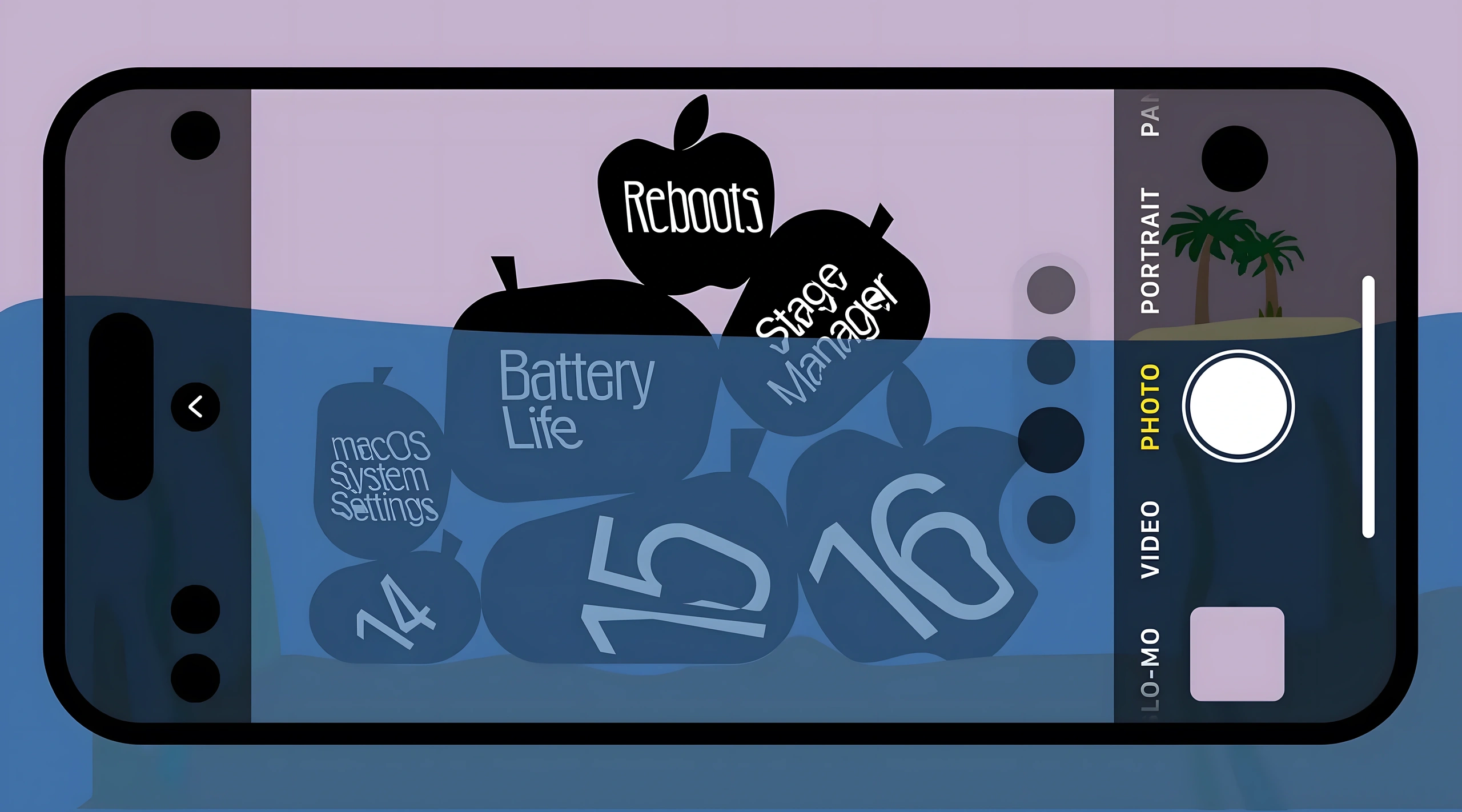
Beta software is, by its nature, buggy and unfinished. Inconsistencies and bugs are the price you pay — that’s what a beta is. I don’t complain about iOS beta updates being buggy. I will complain, though, that if beta software is necessarily buggy, then beta testing should lead to cleaner, more stable releases later on.
Increasingly, that isn’t happening.
Anyone who has been paying attention to Apple or the technology world more broadly knows that recent years of iOS releases have been rocky. Features are spotty, system UI bugs are epidemic, and there is a general perception that quality has slipped.
Now, okay, Apple’s argument is that there are billions of iPhones in use throughout the world. The percentage of users on Twitter, Reddit, and forums who complain about bugs is not representative of most iPhone users. But when a company charges more than $1,000 for what it markets as a premium smartphone experience, even that minority deserves to be heard. That is the minimum customers should expect from a company built on devotion to the “Apple philosophy.”
Even without a full statistical account of all users, the grievance about bug-ridden iOS releases hints at something deeper — a deep-seated issue with how Apple thinks about software development and the beta testing that is meant to “help us make our software the best that it can be.”
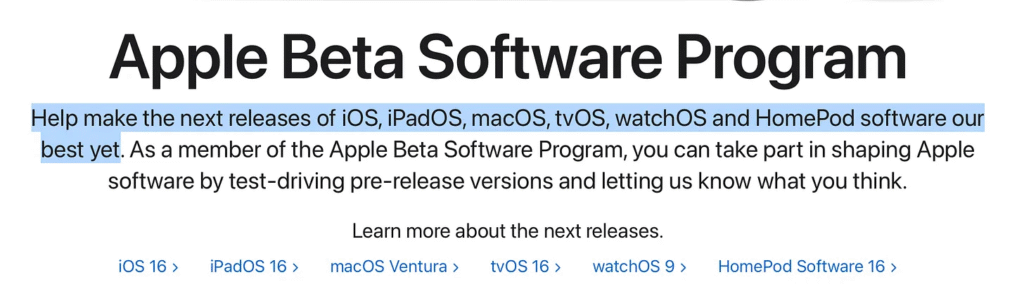
In 2022, I believed Apple had become a bit too lean. The company was doing more than ever — and with $200 billion in cash, maybe it could — but I did not want Apple to put more on its plate before mastering what was already there.
And yet, Apple’s OS teams are geniuses. The problem isn’t genius; it’s equilibrium. A mad fixation on deadlines, in combination with a fundamentally broken beta process, renders new releases insufficiently prepared for widespread use.
The Beta User Problem
I learned several weeks ago, while installing an iOS 16 beta, just how unsettlingly simple it is to do. Freakingly simple. Unbelievably simple. Apple has been outspoken in its opposition to sideloading, and it has warned that the practice could unleash “the floodgates of hell” and expose users to instability or data loss. But where is that same caution regarding unreleased system software?
In 2022, why could someone simply download a beta profile from a public link, restart an iPhone, and move onto pre-release software? I saw that as at least as consequential as sideloading apps. Apple warned against placing betas on primary devices, but I thought the friction was too low. On iOS 16.4 and later, Apple moved developer-beta enrollment to Settings → General → Software Update → Beta Updates and tied access to the relevant Apple Account.
At the time, Apple had not publicly specified how many people took part in its public or developer betas. Whatever the number, I wanted beta access to be more structured and disciplined. My 2022 suggestion was to scrap the beta profile and tie beta access to a registration process. Apple later removed the developer-profile workflow for iOS 16.4 and newer, but the public and developer programs remain distinct.
For developers, that may mean registering a device as an official “iOS Test Device” before any given beta is pushed server-side. No profile, no shortcuts. It’s imperfect, but it’s a step toward a more uniform and accountable process of beta testing — one that might eliminate what I call the “TikTok crowd” of users with no idea what they’re doing.
The Not-So-Feedback App
When your Feedback app fails at its sole mission — collecting feedback — you know something has gone off course.
The pre-installed Feedback app in betas is way past due for a total overhaul. Genuine feedback, particularly for something as intricate and user-dependent as an operating system, ought to be a dialogue between the maker and user, not a monologue.
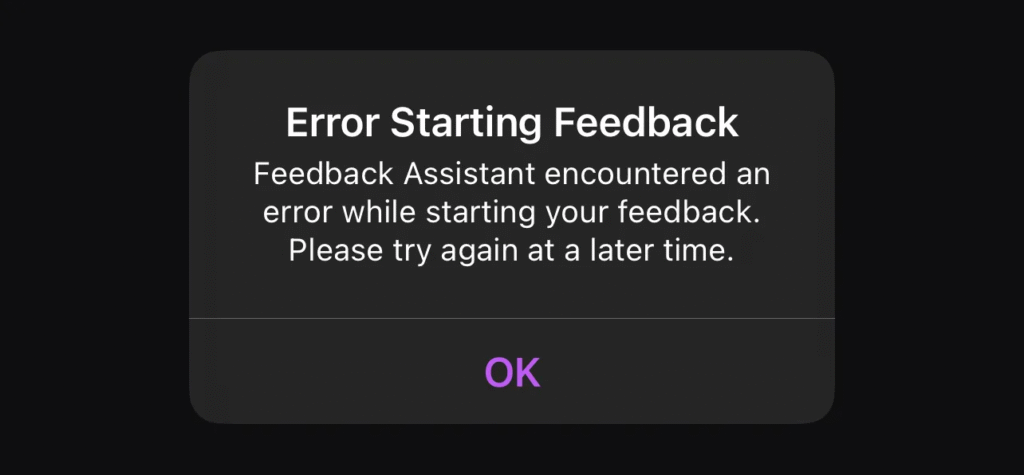
Most beta testers probably give no feedback, not for lack of effort, but because they do not believe it will matter. The bulk of testers hear nothing, and when their reports go into thin air, they end up not submitting anything at all. That leaves bugs unfixed and good ideas dead on arrival.
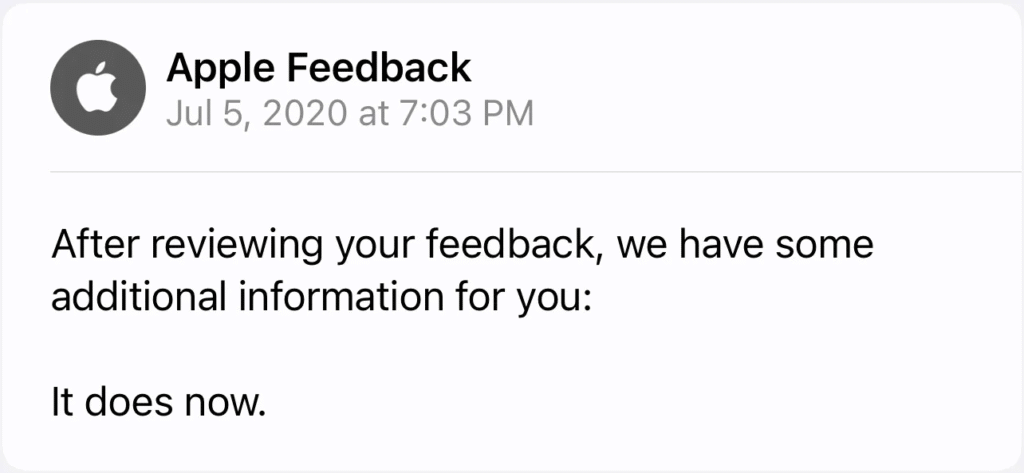
Beyond the shoddy process, the whole approach of the app reflects Apple’s rich history of thinking that “Apple knows best.” It treats beta testers as spectators — present to watch, not to act. I think Apple values its testers, but appreciation has to be shown in action.
Reporting should be easy but worthwhile. Apple needs to strike a balance between ease of reporting and the amount of detail required to reproduce and fix an error. Right now, it is heavily weighted toward the latter — deterring people from participating altogether.
Here’s my proposal: create a conversation-based feedback system, not one of solitude. A mashup of Reddit and Apple’s internal software would be amazing — a community in which beta users can post issues, others can validate them, and Apple engineers can directly respond or follow shared diagnostics.
Apple already does something similar in-house: if several people report the same thing, it is labeled with a “More than 10 users” tag. And that idea should be out in the open. That would make it transparent, effective, and collaborative.
What offers me optimism is Craig. Craig is a bright guy. He’s Craig. And the hair.
In Hair We Trust.