
Historical note — reviewed August 8, 2026: This opinion was published on December 14, 2022, before Apple implemented the EU’s Digital Markets Act requirements. Apple introduced alternative marketplace distribution with iOS 17.4 in March 2024 and Web Distribution with iOS 17.5. The European Commission explains the app-distribution obligation, while Apple documents the current EU distribution options, Notarization, and installation disclosures. The essay below is preserved as a 2022 argument, not as proof of later user preferences or security outcomes.
As former U.S. President Ronald Reagan once quipped, “The nine most terrifying words in the English language are: I’m from the government, and I’m here to help.” Governments and institutions play a vital role in preserving justice and accountability, but there are moments when their ambition outpaces their understanding of what they’re regulating.
The European Union’s Digital Markets Act — the DMA — is such a moment. On paper, at least, it is an effort to make digital markets more competitive and equitable. In practice, it’s a total misreading of how technology like the iPhone actually works.
The DMA targets so-called “gatekeepers,” a description of companies that control entry to digital platforms. The EU’s claim is that this power concentration disrupts the equilibrium among big players, small companies, and consumers, and creates unfairness for all of them. On paper, it is good: make it fair, ban monopolies, promote innovation. In reality, the DMA risks unraveling the very same organization that made platforms like the iPhone safe, consistent, and reliable.
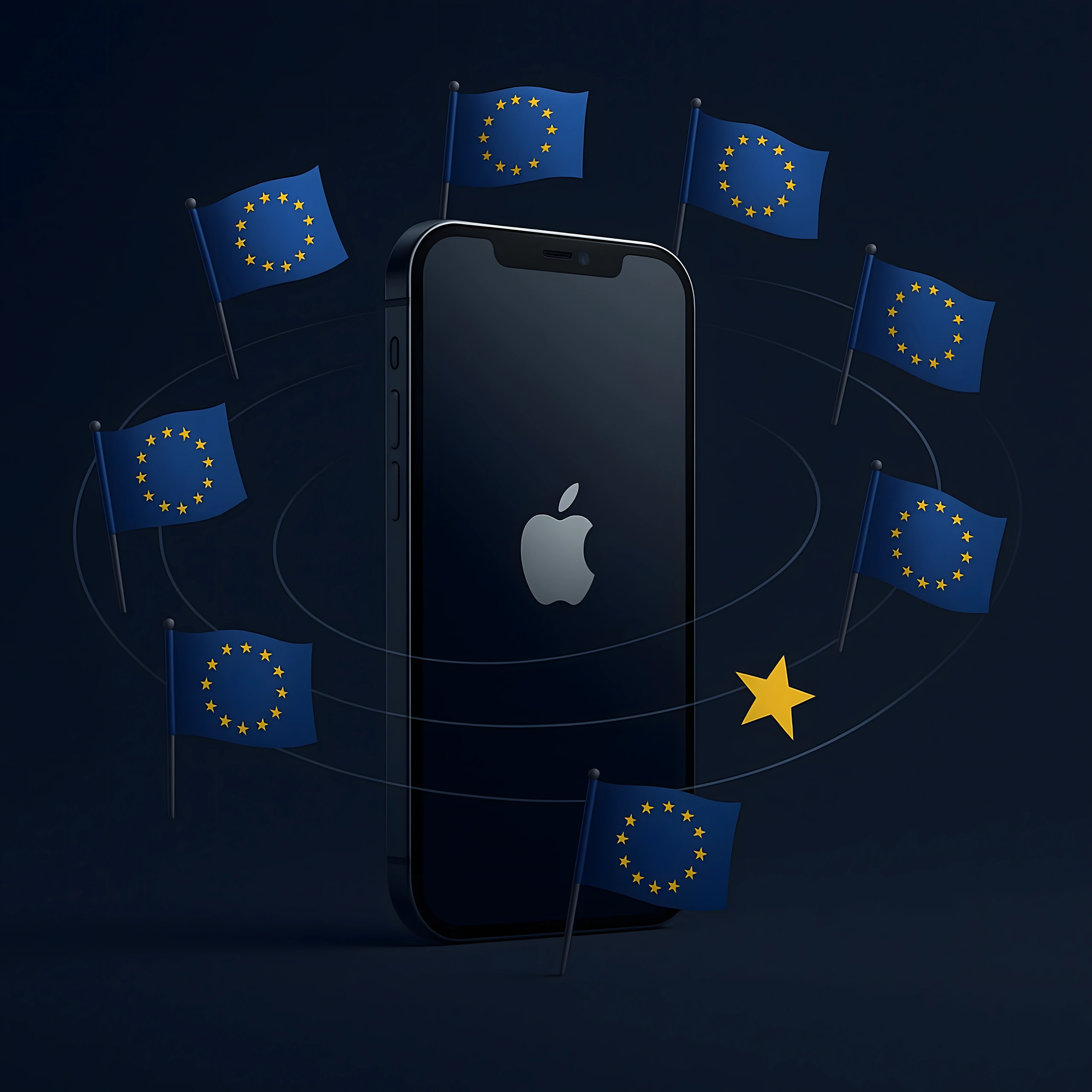
The DMA requires Apple to allow third-party app stores and direct web distribution in the EU. Apple introduced alternative marketplace distribution in iOS 17.4 beginning in March 2024 and later made Web Distribution available on iOS 17.5 and newer. That rollout is narrower and more structured than the word “sideloading” can imply: it is EU-specific and governed by Apple’s eligibility, authorization, installation, and Notarization requirements.
Apple’s iPhone model is built around apps being sandboxed and subject to platform rules. Alternative distribution changes the App Store relationship, but it does not remove every safeguard: Apple says Notarization applies across distribution channels and supplies installation sheets, while App Store apps continue through the broader standard App Review process and its content and commerce policies. My argument concerns the protections and control Apple loses outside the App Store, not the absence of any review.
Take the engineering questions before us. What does iOS do with a sideloaded app? Does it get the same system privileges and API access as App Store apps? Who handles complaints or payment disputes? How are updates delivered, permissions managed, or malicious behavior detected? Even the user interface of sideloading itself — what users are shown and what alerts they receive — requires answers Apple had never been expected to provide.

When Craig Federighi took the stage at Web Summit 2021 to tell us sideloading was “a step backward,” he wasn’t exaggerating. He argued that forcing open iOS “in the name of giving users more choice” would really take away from users a choice of a more secure platform. That remains true.
Apple’s critics like to frame this as obstinacy or greed. But Apple’s conservatism is not political; it is structural. The App Store is not just a store; it’s the iPhone’s nervous system. It keeps the platform clean, coherent, and secure. To destroy that, even partially, is to change what the iPhone is.
My assumption in 2022 was that most iPhone buyers would prioritize reliability over alternative app distribution. That was an opinion, not evidence about every user’s preference. Apple reported $205.489 billion in iPhone net sales for fiscal 2022, but sales alone cannot measure what customers think about a particular App Store rule. I read those sales as confidence in the overall experience, not proof that every buyer endorsed every distribution policy.
Nobody buys an iPhone because of the App Store in itself, but it is the App Store that makes the experience worthwhile. It’s the unobtrusive background that makes all the apps seem part of the same universe. The EU’s effort to break up that homogeneity for the sake of “freedom” misinterprets what customers actually want. Security and convenience are freedoms too.
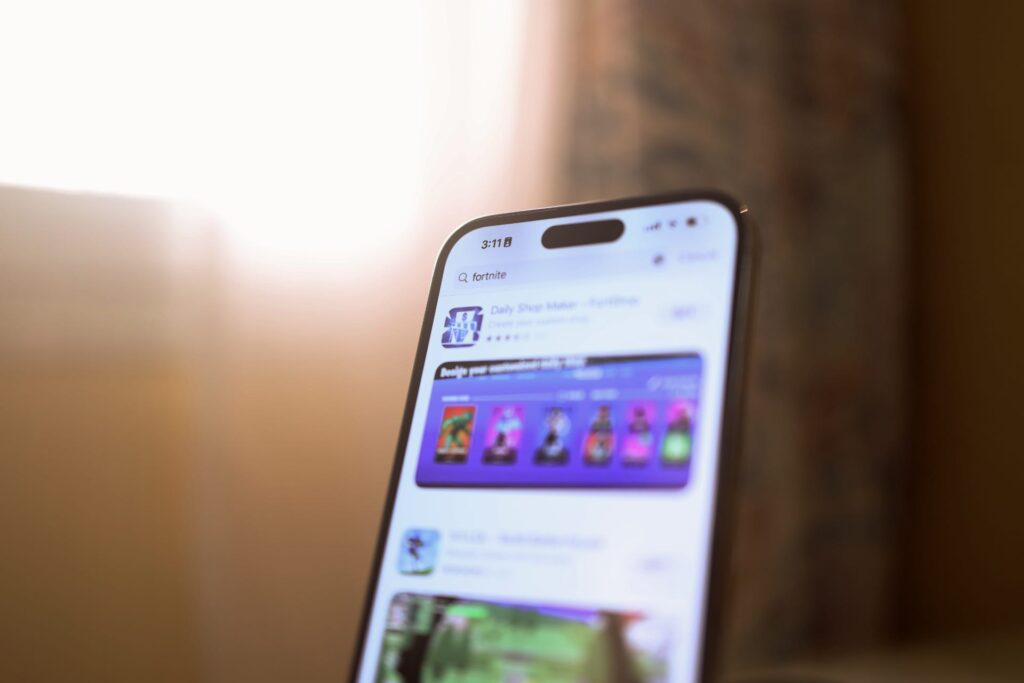
I expected that even if Epic Games, Microsoft, or others brought stores to iOS, Apple’s App Store would remain the default and many customers would continue to choose it for consistency, safety, and design restraint. That was my forecast, not an adoption finding.
If you’re a top Apple executive in a boardroom, you can see the difference. One piece of paper outlines the DMA’s definition of “fairness” requirements. The other shows iPhone sales figures, customer-satisfaction rates, and App Store payments to developers. The former assumes customers are being held in check. The latter shows that they’re opting voluntarily, even enthusiastically, into a system that works.
That does not make Apple invulnerable to criticism. There is a need for regulation, especially the protection of privacy and competition. But governments are blunt instruments. Governments need not dictate the fine points of software design. If consumers really preferred openness to integration, they already have an alternative—Android exists.
The success of the iPhone is its strength. The App Store determined how software distribution happened in the first place. Taking it apart for the sake of parity will not create innovation; it will dilute it.
Apple’s message to Brussels has never been complex: the security, the privacy, and the coherence of the iPhone are not barriers—they’re advantages. People don’t stick around because they’re stuck. They stick around because, in a world of noise, the iPhone shows up as something that makes sense.