
Update — August 8, 2026: This column was published on December 10, 2025 and describes that moment. Apple had already announced John Giannandrea’s move to an advisory role and planned spring 2026 retirement, Amar Subramanya’s appointment to lead core AI work under Craig Federighi, Lisa Jackson’s planned January 2026 retirement, Jennifer Newstead’s March 2026 move into the general-counsel role, and Kate Adams’s planned late-2026 retirement. Apple later named Johny Srouji chief hardware officer and announced that John Ternus will become CEO, with Tim Cook becoming executive chairman, on September 1, 2026. The explanations of culture, momentum, and motive below are my analysis, not findings Apple or the departing executives confirmed.
In early December 2025, the previous few weeks exposed something Apple usually managed to hide well: strain. Bloomberg grouped four senior departures and reported that Johny Srouji might be at risk of leaving. AI researchers had also left for competitors. The Srouji possibility rattled the broader Apple community in a way few executive rumors do. That was the reported context for this column — not a confirmed resignation by Srouji.
Srouji has been one of the central leaders behind Apple Silicon and Apple’s increasingly coherent hardware foundation. At publication, Bloomberg reported that he told staff he did not plan to leave anytime soon. Apple later made the picture clearer: on April 20, 2026, it named Srouji chief hardware officer effective immediately, expanding his remit to Hardware Engineering as well as Hardware Technologies. That official appointment closes the immediate rumor loop, even if the episode still shows how sensitive Apple’s succession moment had become.
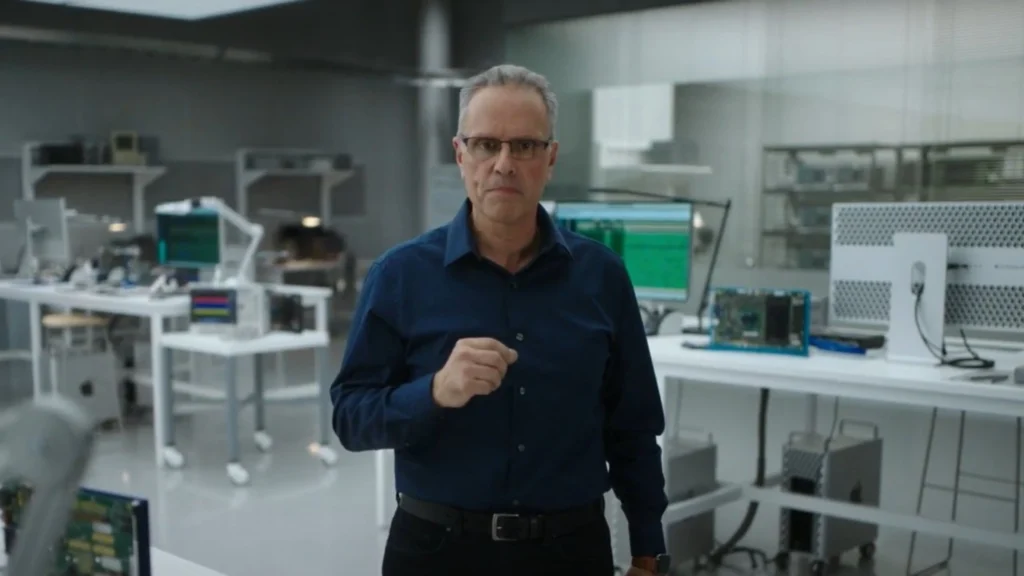
Apple’s AI organization was the clearest example in December 2025. Apple had delayed Siri’s promised overhaul, and competitors had recruited Apple researchers. Apple also confirmed a leadership reset: John Giannandrea stepped down into an advisory role ahead of retirement, while Amar Subramanya took responsibility for Apple Foundation Models, ML research, and AI safety under Craig Federighi’s expanded software leadership. By June 2026, Apple had introduced Siri AI for developer testing and disclosed the Google collaboration behind its new foundation models. My claim that talent leaves when momentum slows or vision blurs is an interpretation of that sequence, not a motive those researchers publicly supplied.
Design was having a similar moment. If you followed the trajectory of Apple design since Jony Ive left, Alan Dye’s departure was hardly a surprise. I had written about what I saw as Apple’s post-Ive design problem: what replaces the Ive era beyond incremental refinements and a return to practicality. A leadership transition in design does not break Apple overnight, but in December I read it as part of the same wider moment.
The confirmed transitions were substantial without treating every one as the same kind of exit. Apple announced that John Giannandrea would retire in spring 2026 after an advisory period; Lisa Jackson would retire in late January 2026; Jennifer Newstead would become general counsel in March; and Kate Adams would oversee Government Affairs before a planned late-2026 retirement. Apple said Newstead would ultimately lead the combined legal and Government Affairs organizations, while the Environment and Social Initiatives teams would report to COO Sabih Khan. None of those moves is individually evidence of crisis. Together, they supported my concern about institutional memory during a compressed period of change.
This is where the column moves from reported fact to analysis. Apple has long concentrated authority in a small executive group, so a cluster of transitions can create execution risk even when succession plans exist. The public record does not prove that teams were drifting or that Cook had personally intervened in retention. My concern was that the delayed Siri work, leadership changes, and unsettled smart-home strategy could be symptoms of that risk.
Srouji’s expanded role is now official, which gives Apple more than the reassurance of an internal comment. It does not settle the competitive argument in this column. My view remains that Apple is being challenged by companies that move faster, compensate aggressively, and rebuild foundations quickly. That is analysis of the market and Apple’s operating style, not evidence that Apple’s teams are unable to execute.
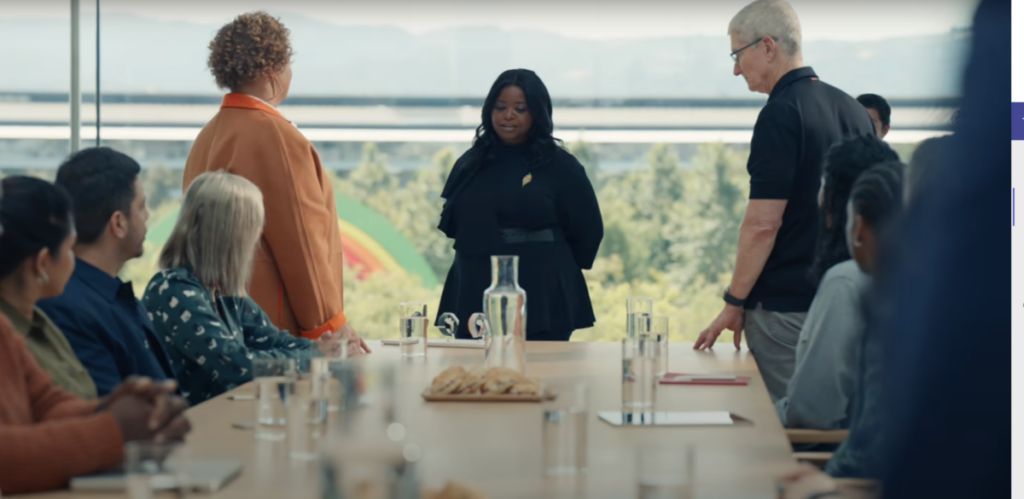
The uncomfortable truth is that how much has changed is something Apple has been slow to admit. It still talks about innovation as if the cadence of the last decade can carry into the next one. But new categories do not arrive on schedule, and AI has rewritten the dynamics of competition. The company is not collapsing, but it is not keeping pace either.
Apple needs an amber alert. The departures, the poaching, the stalled initiatives are not isolated occurrences but a message. Whether Apple considers this noise will determine if it becomes a long-term issue. Thankfully, Apple has the talent and the discipline to right its course.
Apple has been counted out many times before, and those predictions rarely age well. The company’s strength has never come from avoiding difficult moments, but from using them to recalibrate. Each period of disruption — from Jobs’s passing through the post-Ive era — forced Apple to refine what it wanted to be next.
This moment is no longer an abstract succession question. Apple has announced that Tim Cook will become executive chairman and John Ternus will become CEO on September 1, 2026, while Srouji now leads the combined hardware organization. The question is how that team uses the transition: whether it treats the December warning signs as noise or as a reason to sharpen Apple’s next operating chapter.