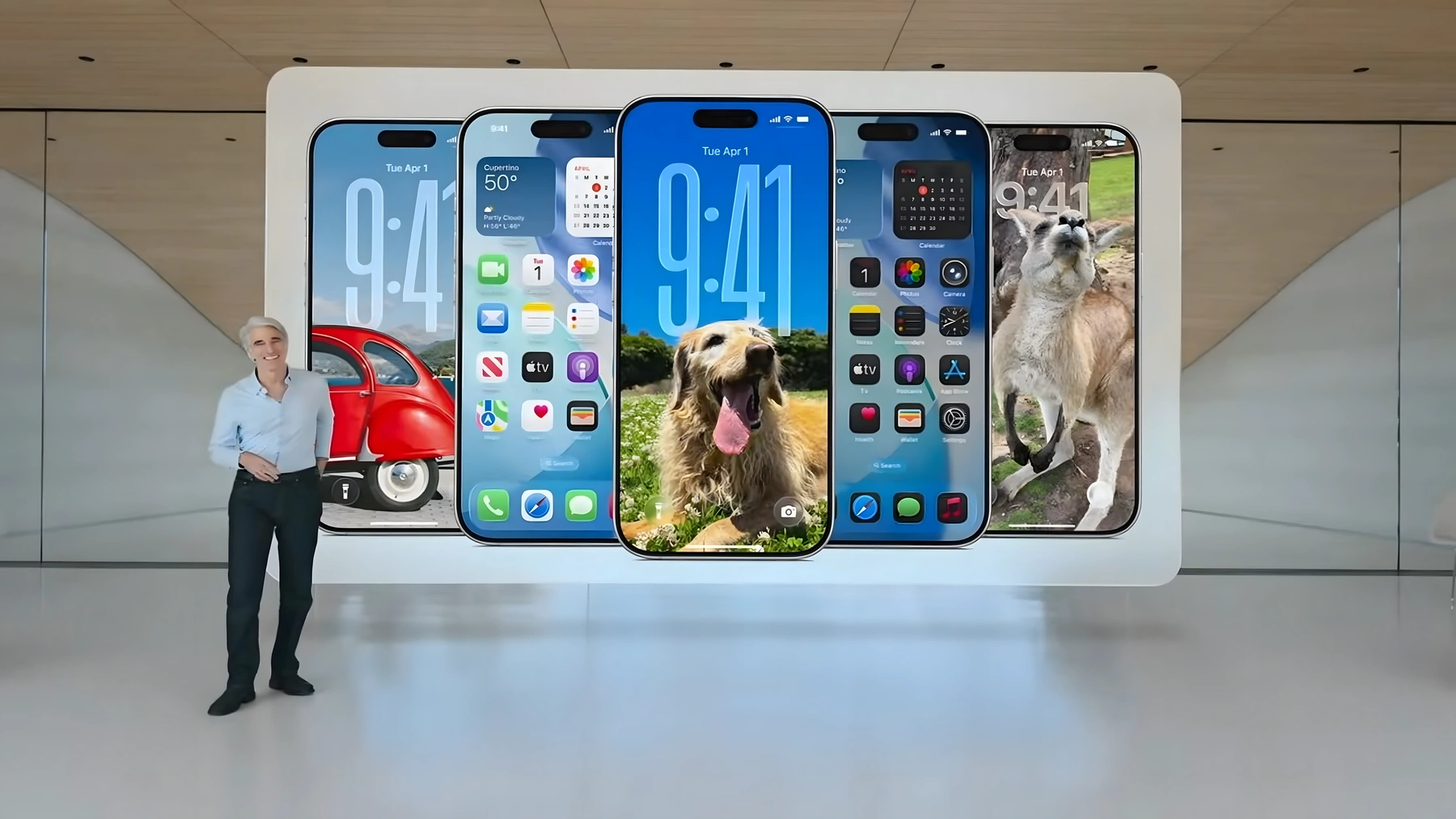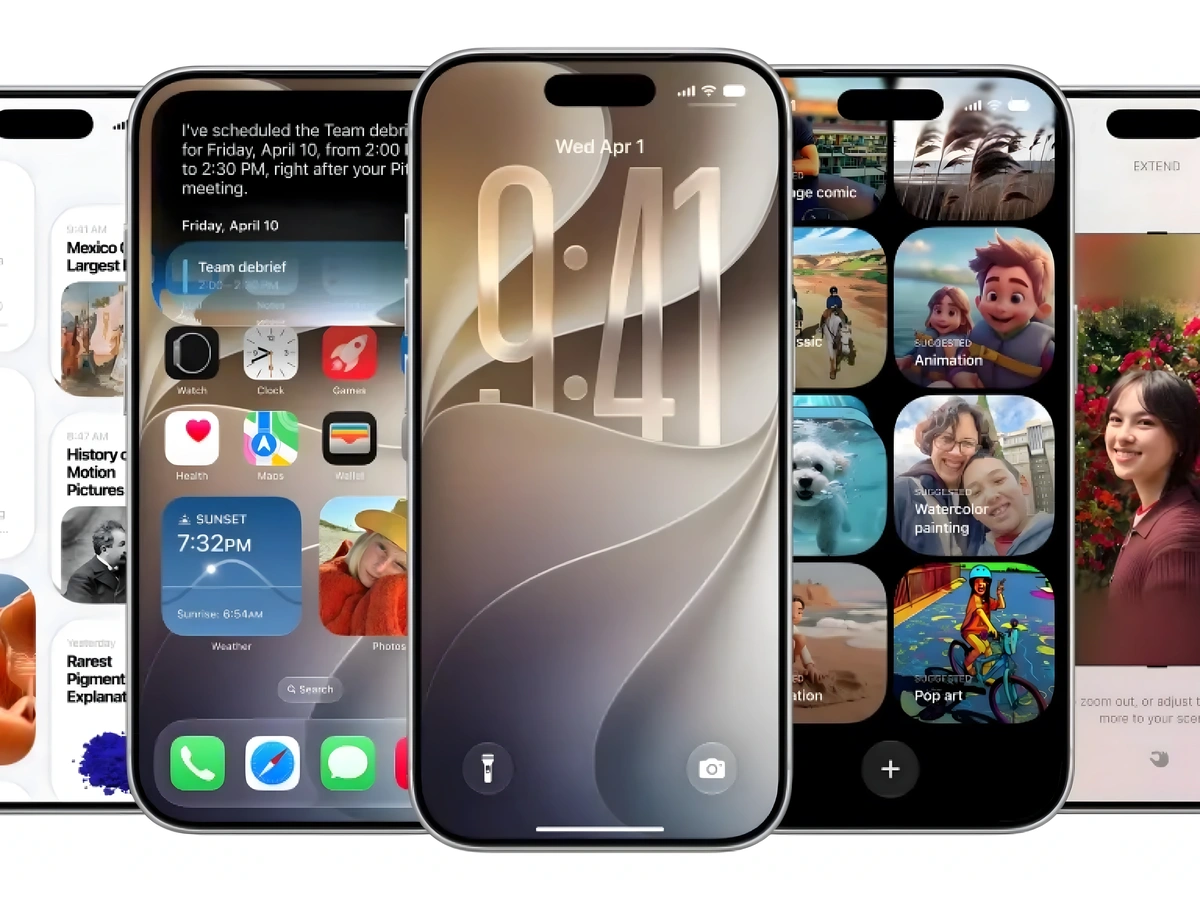

After two years of Siri delays, Craig Federighi entered WWDC 2026 with responsibility for both the software users see and more of the AI systems underneath it. The result was a test of whether Apple had finally put authority and accountability in the same place.
The Siri organization Federighi inherited — and helped shape
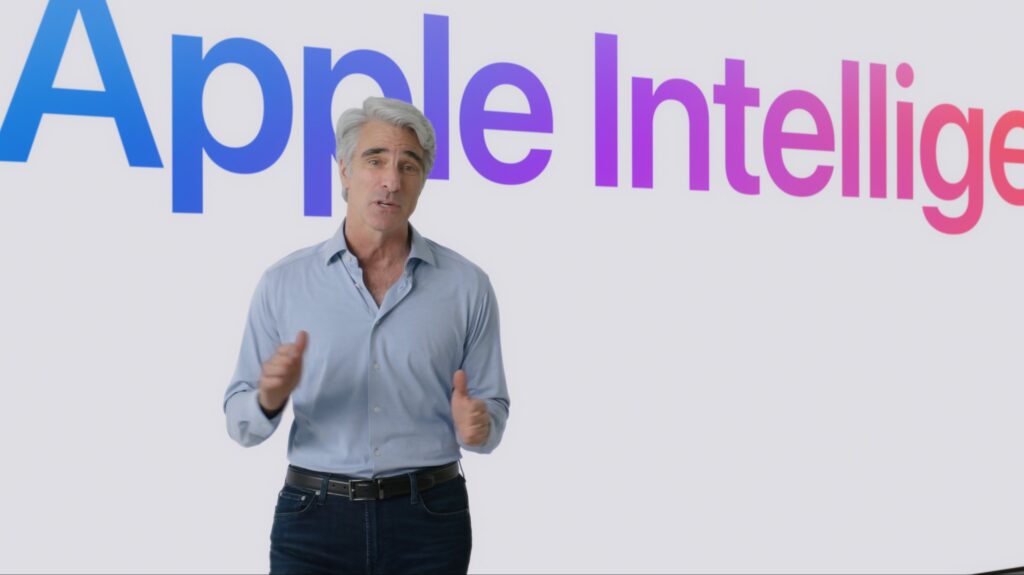
In order to figure out how far Craig Federighi has come, one needs to look back at the state of things during his announcement at WWDC 2024. He was standing on stage, talking about the capabilities of an entirely new Siri that would be able to understand your own context, operate between all your apps, see what’s on your screen, and usher in the era of Apple Intelligence.
By spring 2025, Apple had acknowledged the delay. In interviews after WWDC 2025, Federighi said Apple had developed two Siri architectures: a V1 that contained real working software, but did not meet Apple’s quality bar, and the V2 architecture Apple decided to pursue. That is Federighi’s public account of the engineering decision; it does not by itself establish every organizational cause behind the delay.
This theory makes sense and, according to all accounts, is true. Furthermore, this explanation comes from a man who has shown the features of his product to the public eye in the name of a company that he could not completely control, only to be in front of the same public eye one year later, trying to explain why those features didn’t ship. By that time, the Siri team answered to John Giannandrea, Apple’s SVP of Machine Learning and AI Strategy, hired from Google in 2018. Federighi controlled iOS and macOS and other platforms where Siri resided, but not the developers of Siri’s brain.
The Information reported long-running friction between Apple’s software and AI organizations, including tension between Mike Rockwell and Federighi over AI-driven interfaces. Apple has not confirmed those internal accounts. My reading is that the research-led organization struggled to turn core technology into shipping products quickly enough.
How Apple consolidated software and AI leadership
In March 2025, Bloomberg reported that Tim Cook had lost confidence in John Giannandrea’s ability to execute on product development and that Mike Rockwell would take charge of Siri under Federighi. Apple did not publish that assessment of Giannandrea. The reported reorganization nevertheless closed part of the management gap between Siri and the operating systems in which it runs.
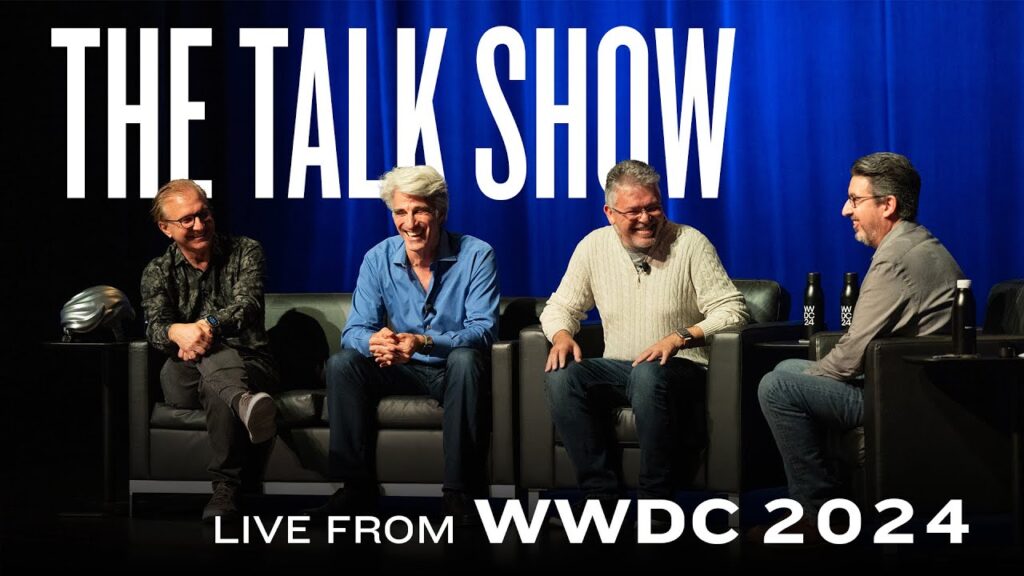
In December 2025, Apple announced that Giannandrea would step down into an advisory role before retiring in spring 2026. Apple hired Amar Subramanya, previously a corporate vice president of AI at Microsoft and a sixteen-year Google veteran, to lead Apple Foundation Models, ML research, and AI safety under Federighi. Federighi now had formal responsibility across Apple’s software platforms and its core AI work.
Tim Cook’s statement in the press release announcing Giannandrea’s retirement is worth reading carefully. “Craig has been instrumental in driving our AI efforts,” Cook said, “including overseeing our work to bring a more personalized Siri to users next year.” The phrase “next year” was doing a lot of work in December 2025. It was also, it turns out, accurate.
Apple’s leadership page, which had described Federighi’s role as overseeing iOS, macOS, and Siri since 2017, now reads differently. It says he “leads Apple’s core AI efforts, including the development of foundation models, applied AI technologies, and the research that powers intelligent experiences across Apple products, including Apple Intelligence and the development of Siri.”
The Information reported that Federighi addressed a joint software-and-AI meeting, criticized the pace of progress, and pushed for Google’s Gemini technology as the quickest route to a product. The report also described employee reactions. Apple has not confirmed those internal details. What is public is that Rockwell led Siri engineering, Subramanya led core model work, and Federighi oversaw the combined effort that produced Siri AI.
It’s Federighi who’s been the public spokesman for Apple’s software since 2012. He has been the one standing on the WWDC stage each June and making the year’s software releases matter and sometimes entertaining. To an Apple fan, his performance at WWDC is an essential rite of passage every year.
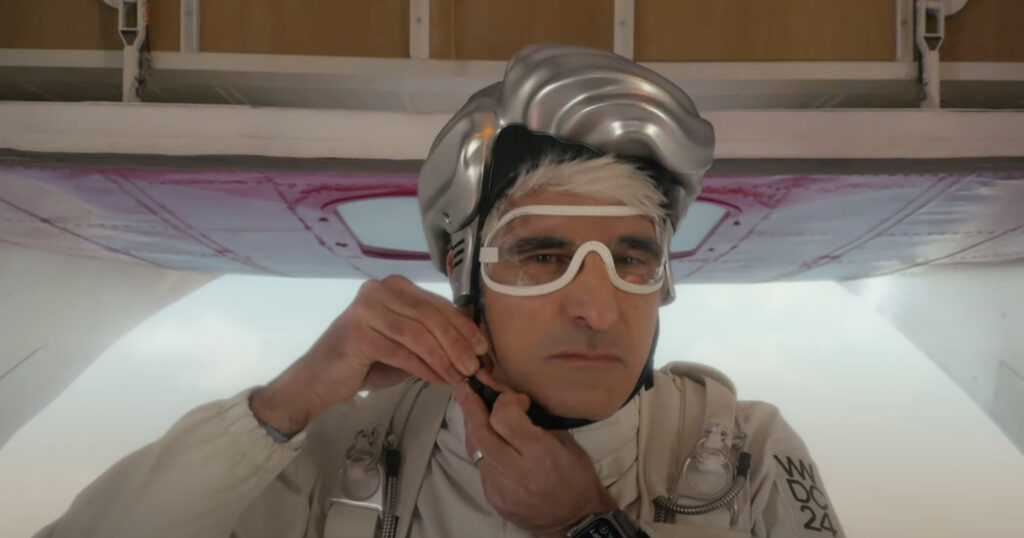
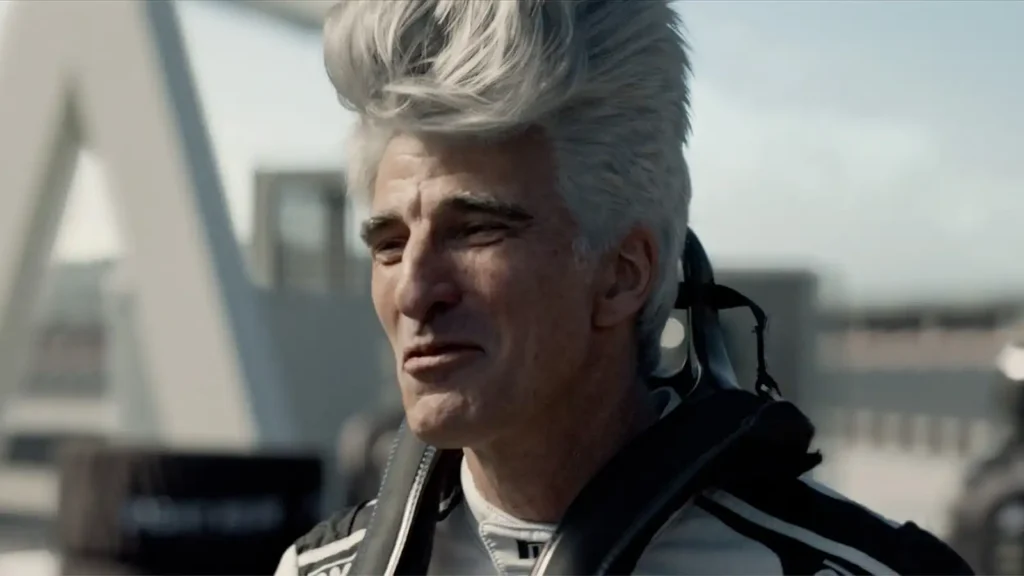
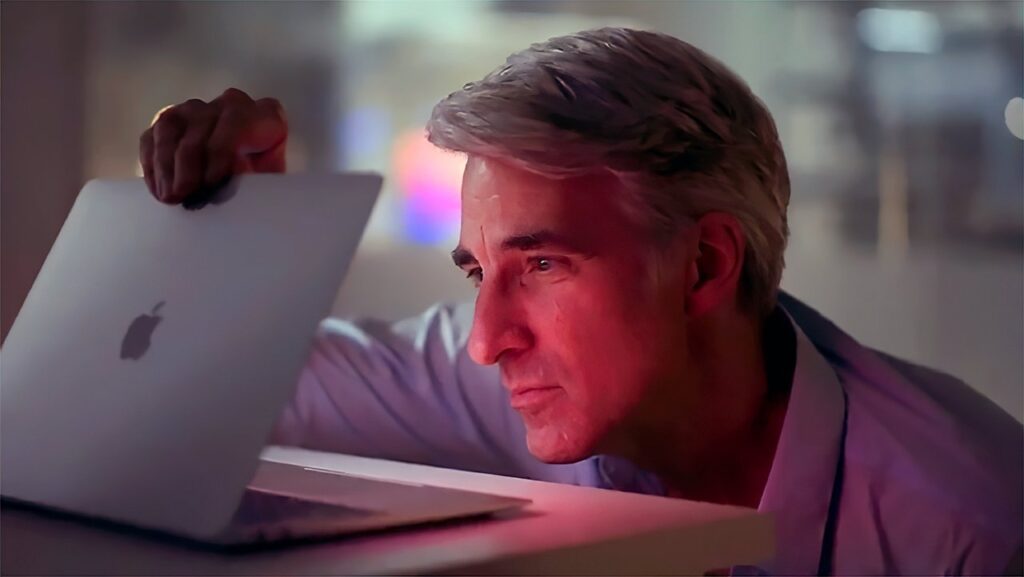
This HIGHLY beloved character made the past two years of WWDC keynotes more difficult to watch than they would have otherwise been. He was the embodiment of broken promises. His defense of those promises came with more transparency from Apple than usual, but less transparency than the circumstances perhaps called for. He assured us that the software was real. That the architecture was the issue. That it would be available in 2026. All three of these things were true. And they summed up the situation in the most diplomatic terms possible.
My reading of the reporting is that Apple’s organizational split contributed to the delays. It made little sense for the executive responsible for the operating systems to lack authority over the AI organization building their headline assistant. Apple’s 2025 and 2026 changes put those responsibilities under a more unified chain of command.
That is the operating pattern I associate with Federighi. His tenure spans Apple’s recovery from the Scott Forstall era, the Mac transition to Apple silicon, major macOS changes, and Swift’s move into public use. Those were team accomplishments, not proof that one executive caused every outcome. They are why I give his operating record weight now that his authority more closely matches his responsibility.
For two years, in the most important new platform that Apple has ever created since the App Store, there was no such balance. Now there is, and Siri AI is its first child.
The title of this article is a pun, and I do not regret using it. It is also an argument. The Siri delays showed the cost of separating responsibility from authority. WWDC 2026 is one promising public data point for the consolidated structure, not proof that every organizational problem is solved.
The data point is promising. Trust, for now, seems warranted.